
Description
The Sailboat Case for the Mercury 5 HP Outboard
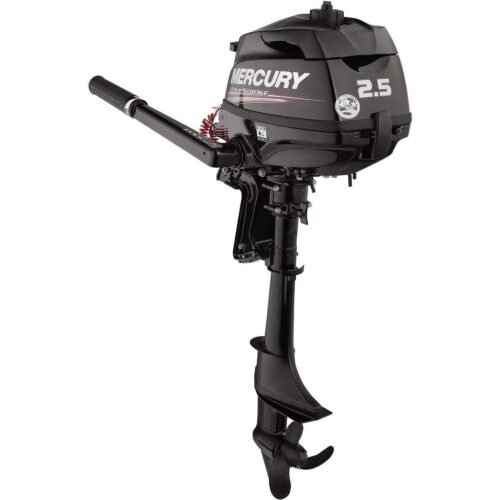
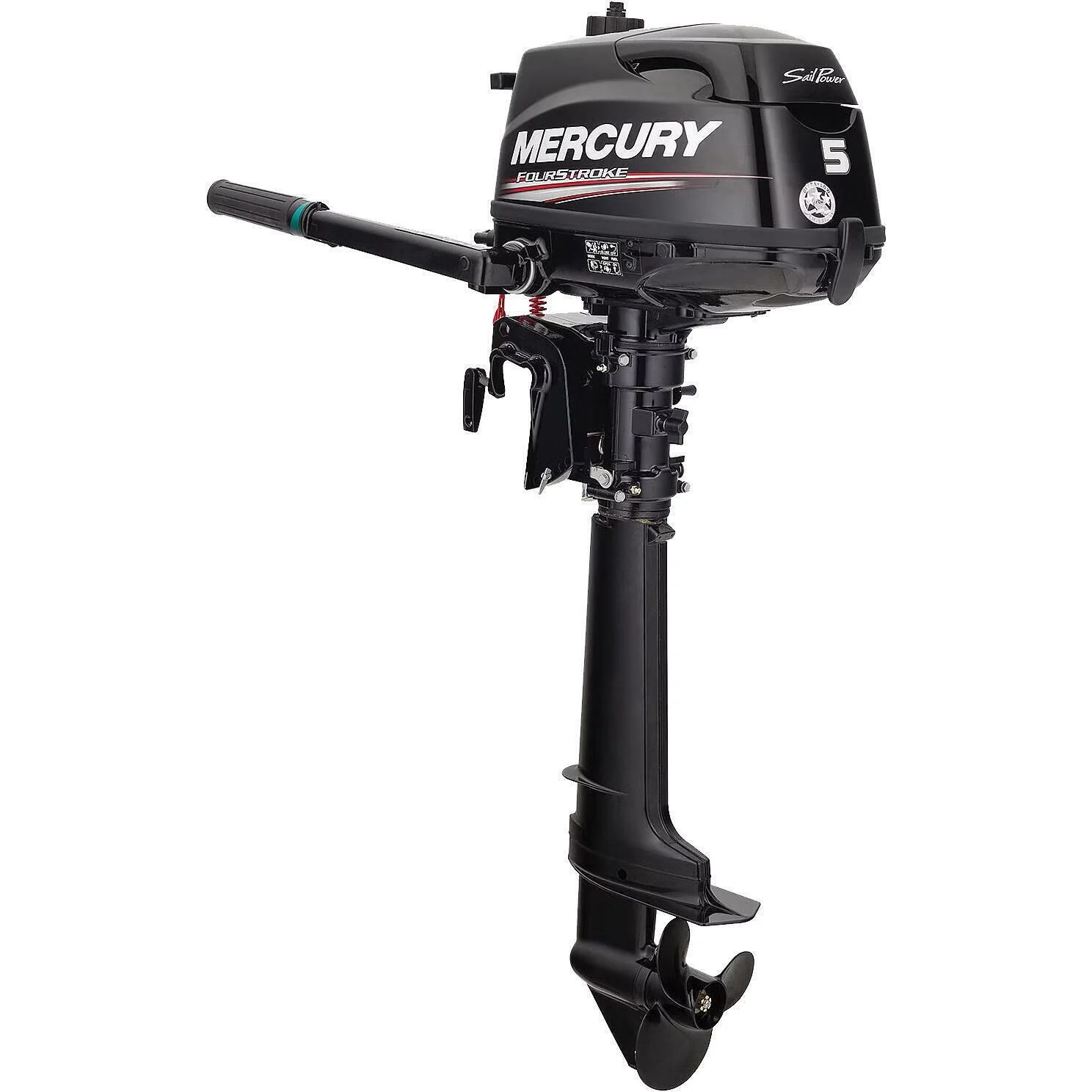
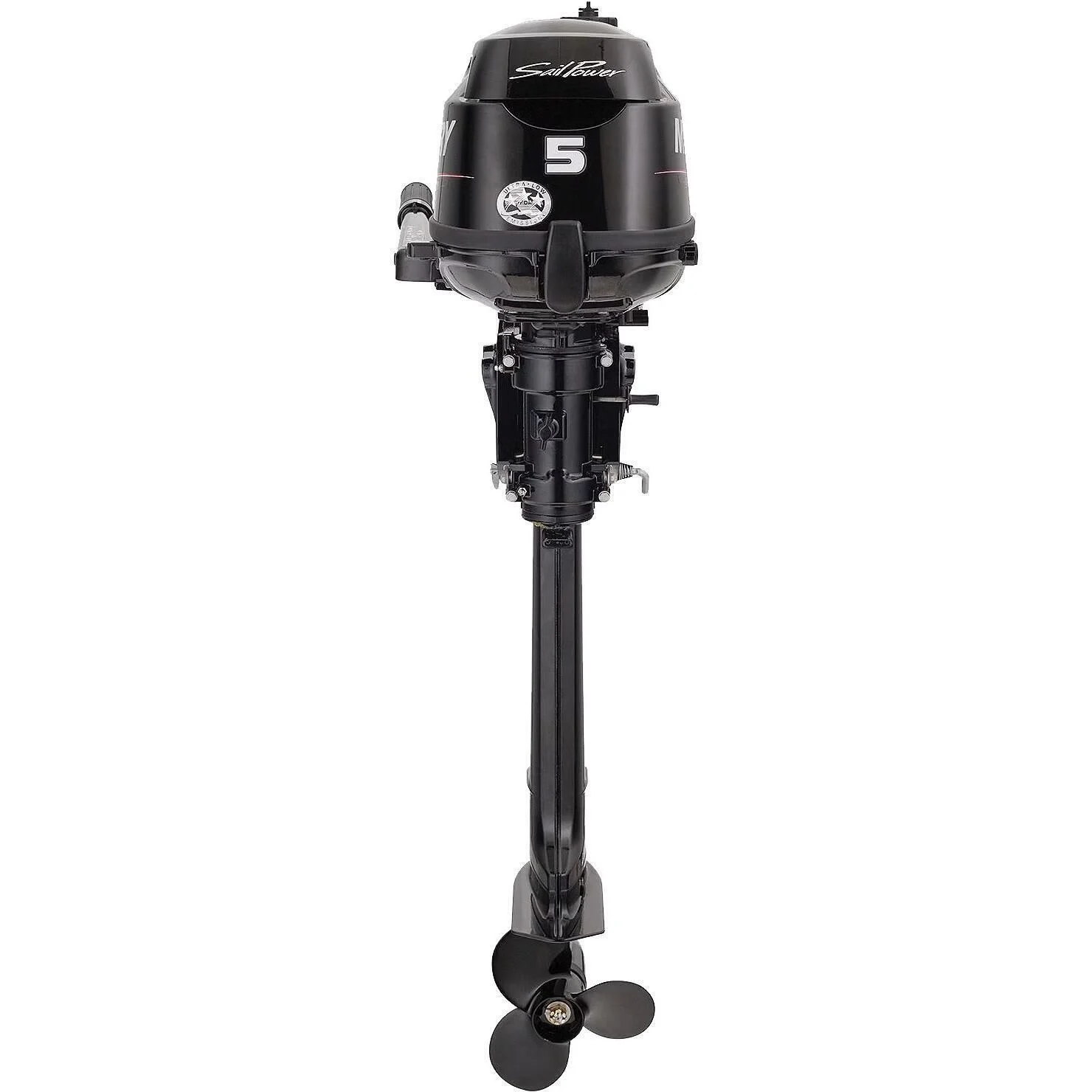
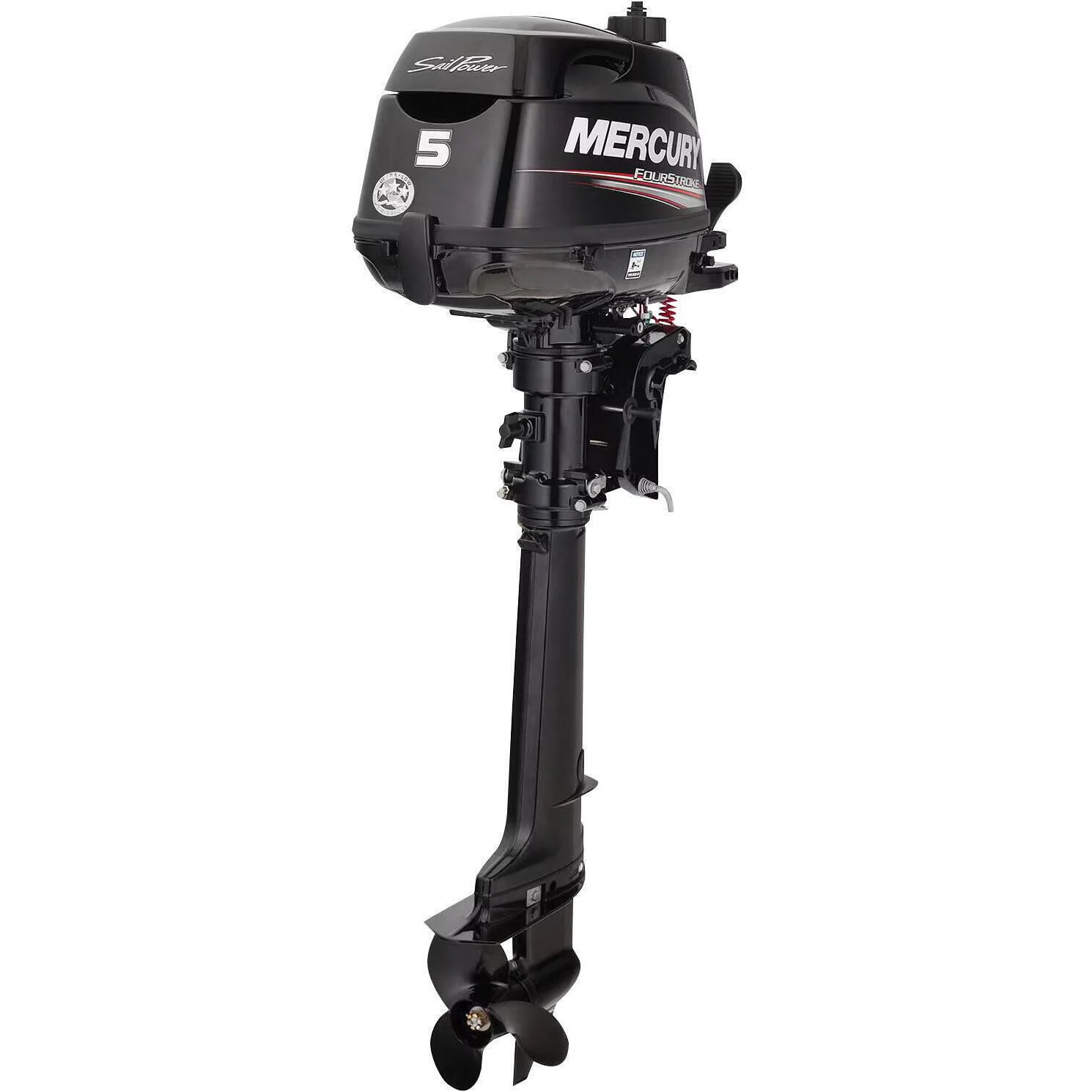
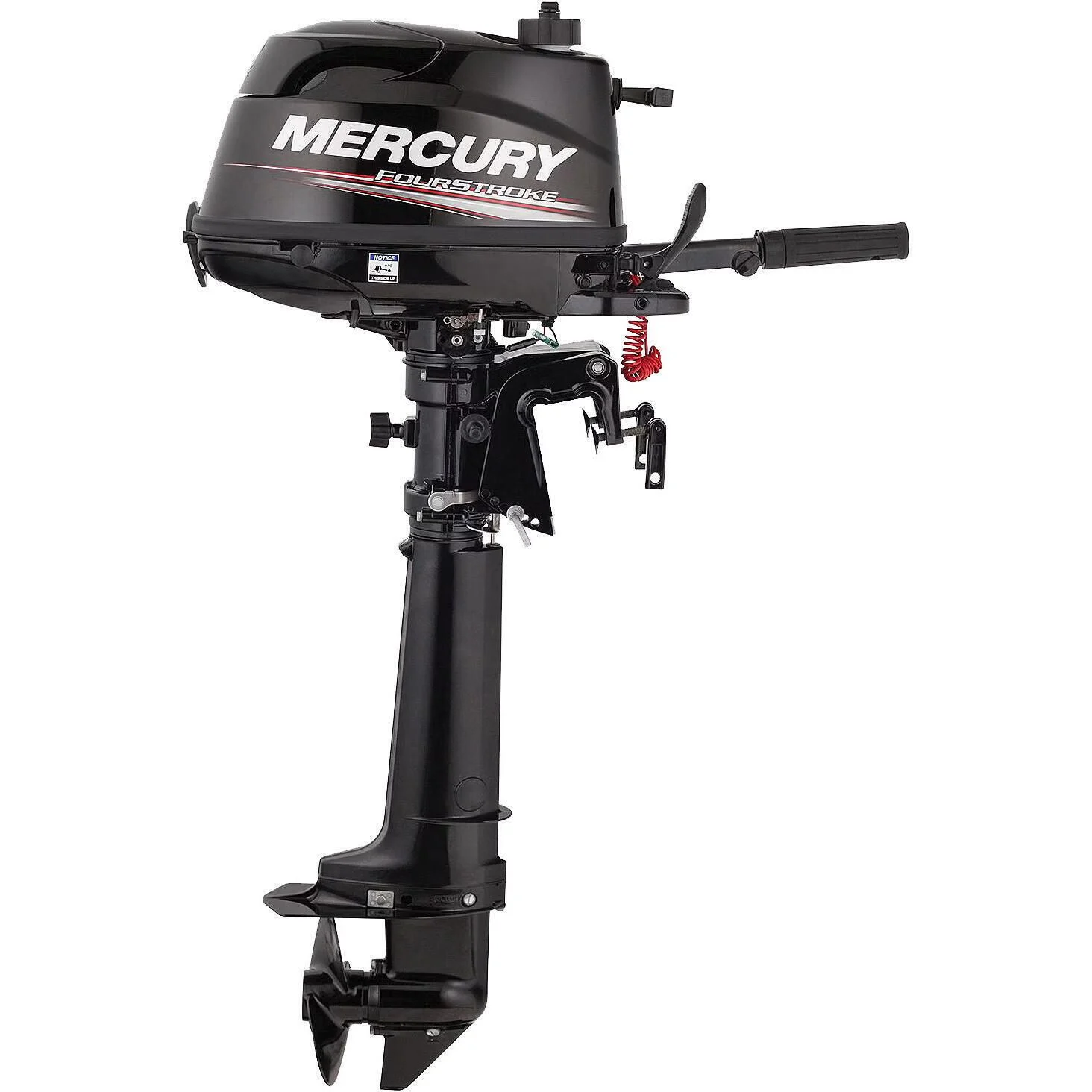
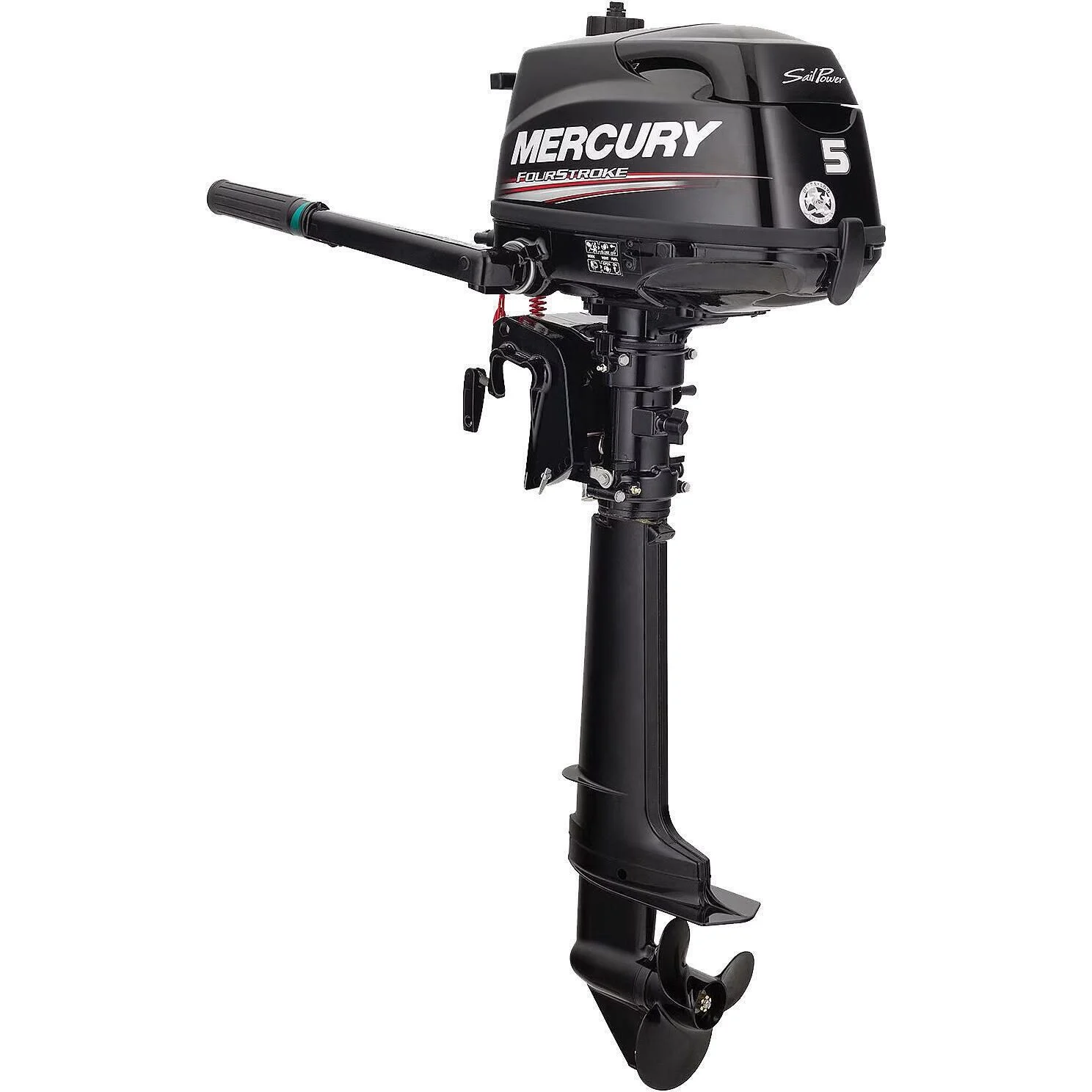
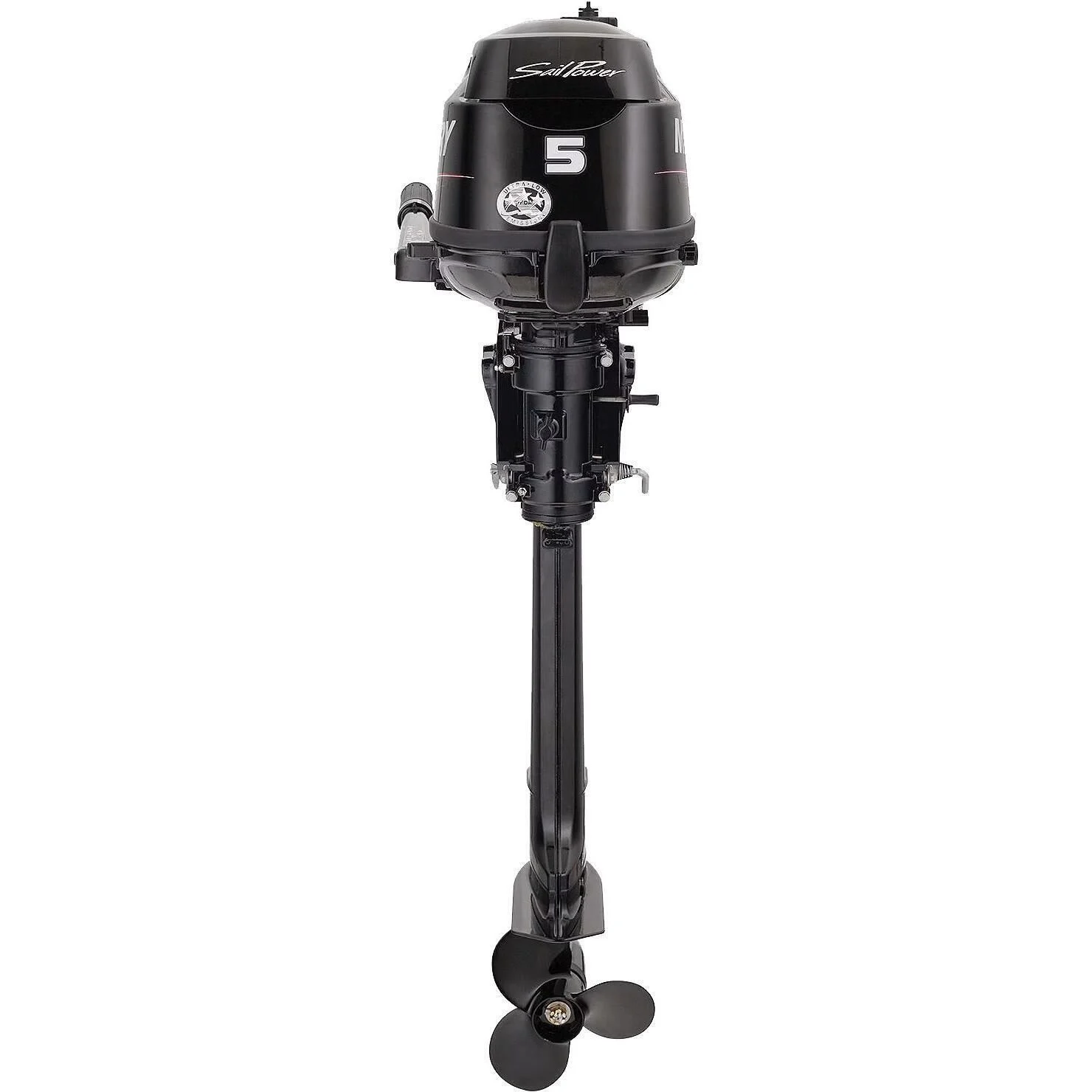
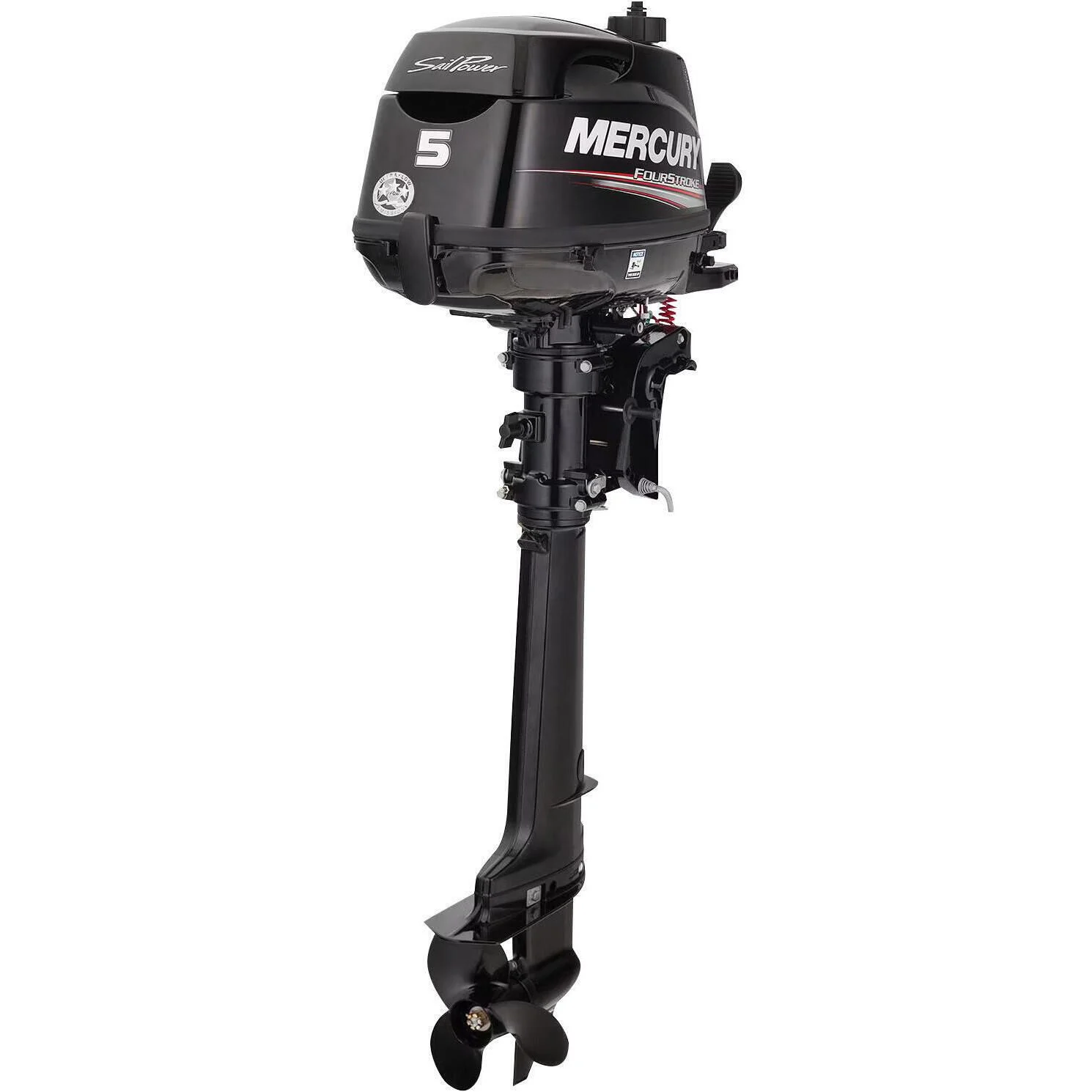
Mercury builds three engines on the 123cc block: the 4 HP, the 5 HP and the 6 HP. They share a bore and stroke, a gearcase, a trim system and an exhaust path. What separates the 5 HP is that it is the only one Mercury offers with a 25 inch extra-long Sail Power shaft.
That specification exists for one reason. A sailboat auxiliary mounted on a pushpit bracket sits well above the waterline, and a displacement hull under motor in any swell pitches the stern up and down continuously. With a 15 inch or even a 20 inch shaft, the propeller breaks the surface on every pitch, the engine over-revs, thrust collapses and you go nowhere. With 25 inches of shaft the propeller stays buried and the engine keeps working.
If you are powering a 26 to 30 foot displacement sailboat and you have been fighting a ventilating outboard, this is the fix. Order the 5MXLH. If you are mounting on a transom rather than a bracket, the 15 inch (5MH) or 20 inch (5MLH) is correct and the Sail Power length would simply add drag.
Powerhead and Running Gear
The 123cc single cylinder runs a 59 x 45 mm bore and stroke through a two-valve pushrod overhead valve head, crossflow design, with a gear-driven camshaft. Wide open throttle range is 4500 to 5500 rpm, the same band as the 4 HP and one thousand rpm below the 6 HP. That lower operating range is deliberate for auxiliary duty: an engine that makes its power lower in the rev band is an engine that trolls and pushes displacement hulls comfortably rather than one optimised to plane a light dinghy.
Cooling runs through a thermostat. This is worth more on a sailboat auxiliary than almost any other application, because a sailboat kicker idles for extended periods while you rig, moor or wait on a lock. A thermostatically controlled circuit holds operating temperature through those idles instead of running the engine cold.
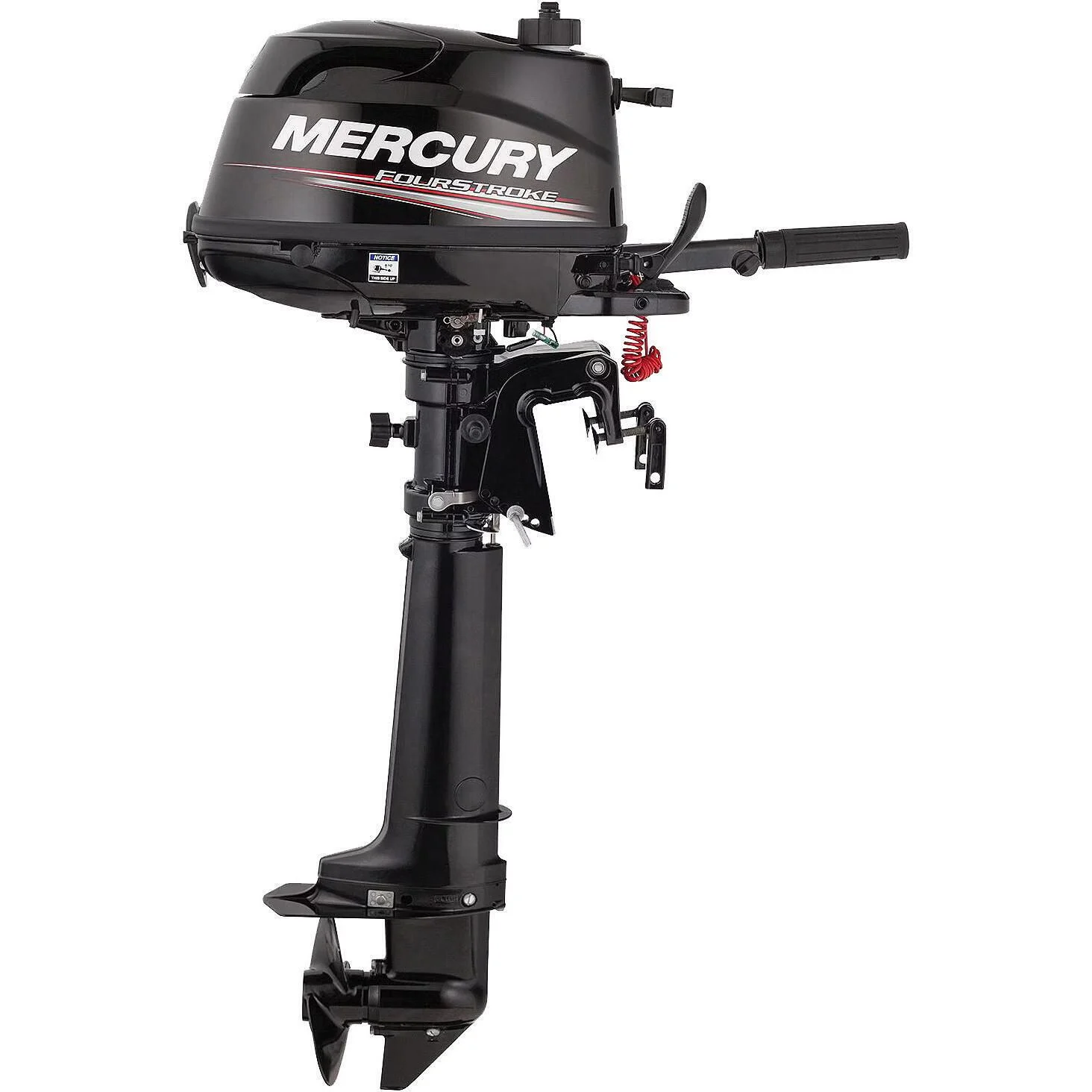
The gearbox is forward, neutral and reverse through a 2.15:1 reduction, selected on a lever. Exhaust discharges through the propeller hub. Trim is six-position manual with a shallow water drive position and a strong tilt lock for fully raising the leg, which matters when you want the engine clear of the water under sail to kill drag.
Dry weight is 57 lb / 26 kg. There is no dedicated carry handle on this model, so it is a two-handed lift. Plan the mount before you buy if you will be lifting it from a dinghy at anchor.
Fuelling and Range
A 1.1 litre integrated tank sits under the cowl with an external fuel shutoff valve, and the engine accepts an optional 12 litre remote tank. On the integrated tank alone, expect roughly an hour of running at cruise. On the remote tank, a full day.
The shutoff valve deserves a mention because sailboat auxiliaries sit unused for long stretches. Closing the valve and letting the engine run until it stops empties the float bowl, and an empty float bowl does not varnish. That single habit prevents the majority of carburettor problems on seasonally used engines.
Fuel is 87 octane with up to 10 percent ethanol, oil is Mercury FourStroke 10W-30, and the engine protection system covers both low oil pressure and over-rev.
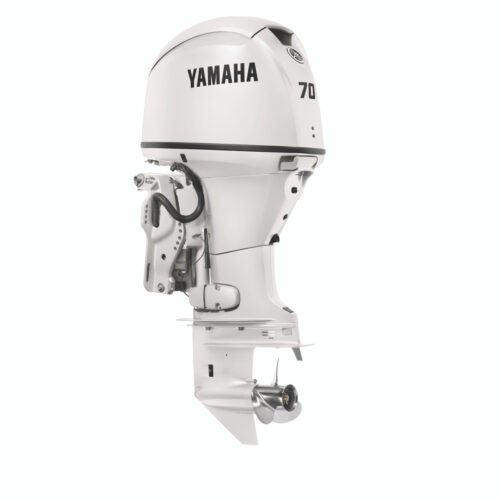
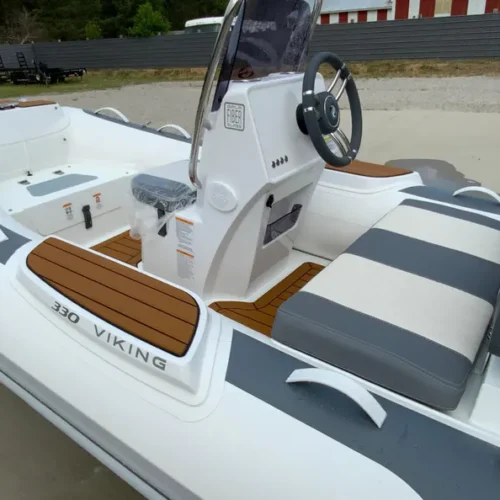
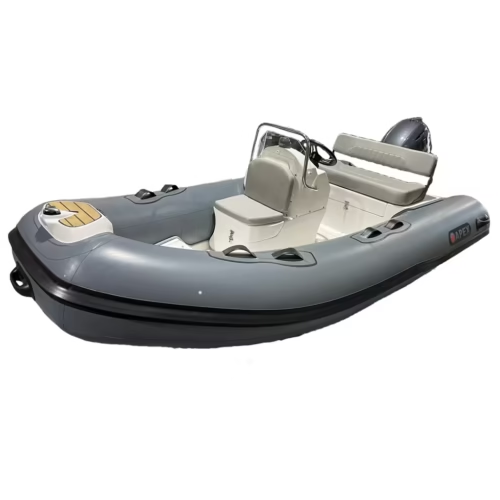
Every Mercury 5 HP outboard we ship is new, factory sealed and pre-delivery inspected before crating. Compare against the rest of the Cool Compacts range, where the 6 HP shares this block but spins a thousand rpm higher. For hull matching see our inflatable boats and tenders and the Apex dinghy range. Cross-brand, the Yamaha portable series covers the equivalent sizes, with the Yamaha F6 the closest direct comparison.
Mercury 5 HP FourStroke: Full Factory Specifications
| Feature / Specification | Technical Detail / Value |
|---|---|
| Models | 5MH (15″), 5MLH (20″), 5MXLH Sail Power (25″) |
| Horsepower | 5 HP / 3.7 kW |
| Engine type | 1 cylinder, four-stroke |
| Displacement | 123 cc / 7.5 CID |
| Bore and stroke | 59 x 45 mm / 2.32 x 1.77 in |
| Full throttle RPM range | 4500 to 5500 rpm |
| Fuel induction | 2-valve pushrod (overhead valve), crossflow |
| Fuel system | Carbureted |
| Recommended fuel | 87 octane, up to 10% ethanol |
| Recommended oil | Mercury FourStroke 10W-30 |
| Ignition | CDI with electronic spark advance |
| Cooling system | Water-cooled with thermostat |
| Starting | Manual (recoil) |
| Steering | Tiller |
| Gear shift | Forward, Neutral, Reverse |
| Gearcase ratio | 2.15:1 |
| Shaft lengths | 15 in / 381 mm, 20 in / 508 mm, 25 in / 635 mm |
| Trim system | Manual, 6 positions |
| Shallow water drive | Yes, 16-degree range |
| Exhaust system | Through the propeller |
| Integrated fuel tank | 0.3 gal / 1.1 L with external shutoff valve |
| Optional remote tank | 3.2 gal / 12 L |
| Dry weight | 57 lb / 26 kg |
| Engine protection | Low oil pressure, over-rev |
| CARB star rating | 3 stars |
| Colour | Phantom Black |
| Saltwater rated | Yes. |
| Condition | New, factory sealed, PDI completed |
Frequently Asked Questions
What is Sail Power on the Mercury 5 HP outboard?
Sail Power is Mercury’s designation for the 25 inch extra-long shaft configuration (model 5MXLH). It exists so the propeller stays submerged when a sailboat pitches under power, which a 15 inch or 20 inch shaft on a pushpit bracket will not do. The 5 HP is the only engine in Mercury’s 123cc family offered in this configuration, which is why it is the default choice for sailboat auxiliary duty.
Is the Mercury 5 HP or 6 HP better for my boat?
Both use the same 123cc block. The 5 HP operates at 4500 to 5500 rpm and is tuned for displacement hulls, trolling and sailboat auxiliary work. The 6 HP operates at 5000 to 6000 rpm and produces more thrust at the top end, which suits a light dinghy you want to plane. Choose the 5 HP for a sailboat or a heavy tender, the 6 HP for a planing dinghy.
How much does the Mercury 5 hp outboard motor weigh?
The Mercury 5 HP has a dry weight of 57 lb (26 kg). It has no dedicated carry handle, so it is a two-handed lift rather than a shoulder carry. Weight is identical to the 6 HP and 2 lb above the 4 HP, since all three share the 123cc powerhead.
What size boat does a 5 hp outboard suit?
A 5 hp outboard suits tenders and dinghies from roughly 10 to 14 feet, jon boats and small utility craft, and displacement sailboats to around 28 feet as auxiliary power. On a 12 foot inflatable with two adults it delivers comfortable cruising with reserve. It will not plane a heavily loaded hull, which is what the 6 HP and above are for.
Can I run the Mercury 5 HP on a remote fuel tank?
Yes. The engine has a 1.1 litre integrated tank under the cowl and accepts an optional 3.2 gallon (12 litre) remote tank. Use the integrated tank for short runs to keep a small boat uncluttered, and the remote tank for full-day operation. The external fuel shutoff valve lets you run the carburettor dry before seasonal storage, which prevents varnish in the float bowl.